
Best Meal Delivery Services for Seniors: 8 Options Compared [2026 Buyer’s Guide]
Best Meal Delivery Services for Seniors can be overwhelming — but the right service makes a real difference in your aging parent’s nutrition, independence, and daily quality of life. In this guide, we compare 8 top meal delivery services for seniors in 2026, covering price, nutrition, ease of use, and special diet options.
My aunt, who lived alone two states away, was losing weight. Every time I called, she insisted she was fine, but her voice sounded frail. During a surprise visit, I discovered why. Her fridge was nearly empty, containing only milk and a half-eaten container of yogurt. For dinner, she was having crackers and tea. She was too tired to cook, too overwhelmed to shop, and too proud to ask for help. That’s when we discovered that the right meal delivery for seniors could be a lifeline.
This isn’t an uncommon story. For many seniors living alone, the physical effort of shopping and cooking becomes a major barrier to proper nutrition. This can lead to dangerous weight loss, weakness, and an increased risk of falls. While daily family support isn’t always possible and in-home care can be expensive, meal delivery provides an immediate, practical solution.
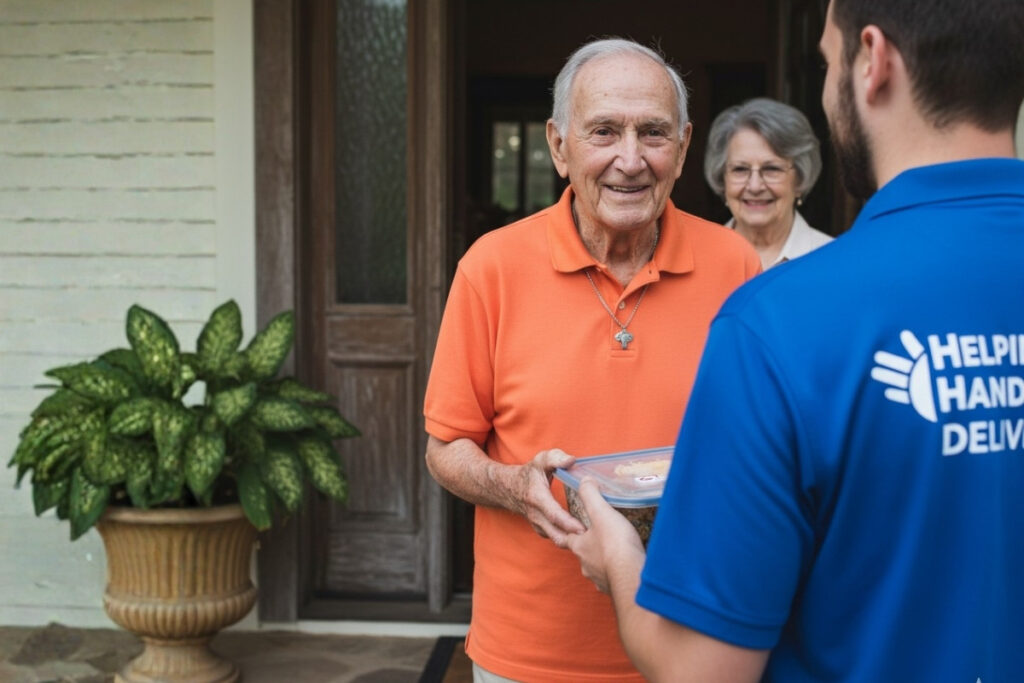
This guide reviews the 8 best meal delivery services for seniors in 2026. We’ll cover costs, dietary options, whether Medicare provides coverage, and how to choose the right service to ensure your loved one is eating well, staying healthy, and living independently at home.
Why Seniors Need Best Meal Delivery Services
For older adults, cooking a nutritious meal can become a monumental task. The reasons are numerous:
- Mobility Issues: Standing for long periods, lifting heavy pots, or safely using a stove can be difficult.
- Decreased Appetite: A natural part of aging, but it can lead to skipping meals.
- Cognitive Decline: Forgetting to eat is a common issue, especially for those with early dementia.
- Transportation Challenges: Getting to the grocery store can be difficult for those who no longer drive.
- Loneliness and Depression: Many seniors lose the motivation to cook for just one person.
Poor nutrition has serious consequences, including muscle loss, a weakened immune system, and a higher risk of falls. A lack of proper meals is often one of the key warning signs that a parent can no longer live alone safely. Meal delivery directly addresses this critical issue.
Types of Meal Delivery for Seniors
Meal services for seniors generally fall into four categories:
- Fully Prepared Fresh Meals: These are ready-to-eat meals delivered fresh, typically weekly. They only require 2-3 minutes in the microwave. Examples include Mom’s Meals and Factor.
- Fully Prepared Frozen Meals: These are delivered frozen and have a much longer shelf life, offering convenience and a backup plan. Examples include Magic Kitchen and Silver Cuisine.
- Meal Kits: These services, like Home Chef, provide pre-portioned ingredients and a recipe card. They still require cooking and are best for active seniors who enjoy being in the kitchen but want to simplify the shopping and prep work.
- Meals on Wheels (Community Program): This well-known nonprofit delivers a hot meal (and a friendly social check-in) daily via volunteers. Service is often offered on a sliding scale based on income.
Top 8 Meal Delivery Services for Seniors (2026)
We researched dozens of services to find the best options that cater to the nutritional needs, budgets, and lifestyles of older adults.
| Service | Type | Avg. Cost/Meal | Key Dietary Options | Best For | Accepts Insurance? |
|---|---|---|---|---|---|
| Mom’s Meals | Fresh | $7 – $10 | Diabetic, Low-Sodium, Renal, Pureed | Medicaid/Insurance | Yes (some plans) |
| Meals on Wheels | Fresh (Hot) | $0 – $10 (Sliding) | Limited | Low Income, Social Contact | No |
| Magic Kitchen | Frozen | $8 – $12 | Diabetic, Low-Sodium, Dialysis | Variety & Long Shelf Life | No |
| Silver Cuisine | Frozen | $10 – $12 | Diabetic, Heart-Healthy | Medical Diets | No |
| Factor | Fresh | $11 – $15 | Keto, Low-Calorie, High-Protein | Quality & Freshness | No |
| Sun basket | Fresh | $10 – $13 | organic ingredients | Affordable Fresh Meals | No |
| BistroMD | Fresh/Frozen | $10 – $13 | Weight Mgt., Menopause | Doctor-Designed Plans | No |
| Home Chef | Meal Kit | $7 – $10 | Calorie-Conscious | Seniors Who Enjoy Cooking | No |
1. Mom’s Meals – Best for Insurance/Medicaid Coverage
Mom’s Meals is designed specifically for the health needs of older adults and is one of the few services that may be covered by Medicare Advantage, Medicaid, or other health plans. They offer a huge menu of dietician-designed, refrigerated meals that can be tailored to manage common health conditions like diabetes, kidney disease (CKD), and heart disease. Best for: Seniors who may qualify for meal benefits through their health insurance or state aid programs.
2. Meals on Wheels – Best for Low Income + Social Connection
Meals on Wheels is more than just a meal; it’s a lifeline. This invaluable nonprofit provides a hot, nutritious meal and a crucial safety check-in from a friendly volunteer. It’s available nationwide through local chapters and offers services on a sliding scale, making it affordable for everyone. Best for: Low-income seniors who need a daily meal and a social visit. Availability and menu options vary by local provider.
3. Magic Kitchen – Best for Frozen Variety and Flexibility
Magic Kitchen offers a vast menu of frozen meals that are perfect for stocking up the freezer. With over 100 menu items and the ability to accommodate many special diets (diabetic, low-sodium, dialysis-friendly), it offers great variety. There are no subscriptions required, so you can order as needed. Best for: Seniors who want a wide selection of meals on hand or families who want to provide backup meals for their loved ones.
4. Silver Cuisine (by BistroMD) – Best for Specific Medical Diets
Powered by the medical-based meal service BistroMD, Silver Cuisine focuses on high-quality, doctor-designed frozen meals tailored for adults over 50. They have specific programs for heart-healthy, diabetic, and gluten-free diets, taking the guesswork out of managing a health condition through nutrition. Best for: Seniors with specific medical dietary needs who want delicious, nutritionally precise meals.
5. Factor – Best Fresh Prepared Meals
For seniors who strongly prefer fresh over frozen, Factor is a top-tier choice. Their chef-prepared meals are delivered fresh each week and are ready to eat in just two minutes. While not specifically marketed to seniors, their focus on high-quality ingredients and healthy, balanced meals is a great fit for active older adults. Best for: Seniors who value freshness and restaurant-quality taste.
6. Sun Basket– Best Affordable Fresh Option
Freshly offers a simple, affordable entry into fresh, prepared meal delivery. Their meals are straightforward, tasty, and ready in minutes. While they have fewer complex dietary options than services like Mom’s Meals, they are a great, budget-friendly choice for seniors without strict medical dietary needs. Best for: Seniors who want the convenience of fresh, ready-to-eat meals at a more accessible price point.
7. BistroMD – Best for Weight Management
If your parent’s doctor has recommended weight loss or a specific diet to manage a condition, BistroMD is a top choice. Their programs are designed by doctors to support weight management, heart health, and blood sugar control, with full meal plans that can include breakfast, lunch, and dinner. Best for: Seniors who have been advised to follow a specific health or weight loss plan.
8. Home Chef – Best IF Senior Can Still Cook
For seniors who still enjoy cooking but are tired of the planning and shopping, a meal kit like Home Chef is a great option. They provide pre-portioned ingredients and simple, step-by-step recipe cards for delicious meals you can cook in 15-30 minutes. Best for: Active seniors who want to remain engaged in the kitchen but need a more convenient process.
Meal Delivery Buying Guide
Ask these key questions to choose the right service:
- Can your parent use a microwave? If not, a hot-delivery service like Meals on Wheels is the best option, or you will need to arrange for an in-home caregiver to heat meals.
- What are their dietary needs? For specific medical diets like low-sodium or renal, you need a specialized service like Mom’s Meals, Magic Kitchen, or Silver Cuisine.
- What is the budget? Check if they qualify for low-cost options like Meals on Wheels. If paying out-of-pocket, compare the per-meal cost of different services.
- Does insurance cover it? This is the first question you should ask. Call your parent’s Medicare Advantage or Medicaid plan administrator and ask if “home-delivered meals” are a covered benefit.
Does Medicare or Medicaid Cover Meal Delivery?
- Original Medicare (Part A & B): Generally, NO. It does not cover meal delivery services.
- Medicare Advantage (Part C): SOMETIMES. An increasing number of these private plans offer meal delivery as a “supplemental health benefit,” especially for a short period after a hospital stay. You must check your specific plan.
- Medicaid: YES, in many states. Home and Community-Based Services (HCBS) waiver programs often cover home-delivered meals for eligible low-income seniors.
- Veterans (VA) Benefits: The VA may cover meals for homebound veterans or those who qualify for certain programs.
Frequently Asked Questions
Are meal delivery services healthy for seniors?
Yes, the services designed for seniors are created by dietitians to be nutritionally balanced, portion-controlled, and often low in sodium. They are almost always healthier than skipping meals or eating processed snack foods. Many services specifically target common senior health conditions like diabetes, heart disease, and kidney disease, making proper nutrition simple and effortless.
What if my parent is picky and won’t eat the meals?
Involve them in the menu selection process to give them a sense of control. Start with a small trial order from one or two services to see what they like. Sometimes, simply plating the meal on a real dish instead of eating from the plastic tray makes a big difference. Many services also offer 20–30+ menu options per week, so even selective eaters can usually find meals they enjoy.
How long do the meals last?
Fresh, refrigerated meals should be eaten within 5–7 days of delivery. Frozen meals can last for several months in the freezer, making them an excellent option for seniors who want a reliable backup supply of food at home. Always check the label on each individual meal for the specific use-by date.
How much does senior meal delivery cost per month?
Costs vary widely depending on the service and how many meals per day you order. A typical budget looks like this: ordering one dinner per day from a service like Mom’s Meals costs roughly $210–$300 per month. However, if your parent qualifies for Medicaid or a Medicare Advantage plan that covers meals, the out-of-pocket cost could be $0. Always check insurance eligibility before paying out of pocket.
Can meal delivery services accommodate special diets like diabetic or low-sodium?
Absolutely. This is one of the biggest advantages of senior-focused meal delivery services. Services like Mom’s Meals, Magic Kitchen, and Silver Cuisine specifically offer meals designed for diabetic, low-sodium, renal (kidney disease), heart-healthy, and pureed diets. When choosing a service, always select one that explicitly lists your parent’s specific dietary requirement rather than a general meal kit company.
What if my parent can’t use a microwave?
If your parent has dementia, mobility issues, or is simply uncomfortable using a microwave, look for services that deliver hot, ready-to-eat meals directly — like Meals on Wheels, which delivers a warm meal at the door every day. Alternatively, arrange for a family member, neighbor, or in-home caregiver to heat meals at scheduled mealtimes. Never assume a senior with cognitive decline can safely operate a microwave unsupervised.
Is meal delivery better than hiring a part-time caregiver to cook?
It depends on the situation. Meal delivery is significantly cheaper — typically $8–$15 per meal compared to $20–$30+ per hour for a caregiver. It is also more consistent and available every single day. However, a caregiver provides human interaction and can handle tasks beyond cooking. Many families use meal delivery as a first step and add caregiver support later as needs increase. See our full comparison of in-home care vs. assisted living to understand your options.
How do I get started with a meal delivery service for my parent?
Follow these four steps:
Call their insurance first — Ask if their Medicare Advantage or Medicaid plan covers home-delivered meals.
List their dietary needs — Write down any conditions like diabetes, low sodium, or swallowing difficulties.
Order a small trial — Most services allow a starter order of 6–10 meals before committing to a subscription.
Involve your parent — Let them choose from the menu. Seniors who feel in control of their food choices are far more likely to actually eat the meals.
What is the difference between Meals on Wheels and a paid meal delivery service?
Meals on Wheels is a nonprofit, community-run program funded by donations and government grants. It provides a hot meal and a daily social check-in by a volunteer, and cost is based on income — sometimes completely free. Paid services like Factor or Magic Kitchen offer more variety, specific medical diets, and flexible delivery schedules, but charge a fixed per-meal price. Many families use Meals on Wheels for the daily social connection and supplement with a frozen service like Magic Kitchen for evenings and weekends.
Conclusion
Proper nutrition is a cornerstone of aging in place successfully. For seniors living alone, meal delivery isn’t a luxury—it’s a fundamental safety and health tool. It can prevent dangerous weight loss, reduce the risk of falls, and provide the energy needed to stay independent.
For a senior who may qualify for state or insurance benefits, Mom’s Meals is the best place to start. For those on a very low income, Meals on Wheels provides both a meal and a vital social check-in. And for those paying out-of-pocket, services like Magic Kitchen (frozen) and Factor (fresh) offer excellent quality and variety.
Take the time to explore these options. A simple, daily meal delivered to the door can be the key that allows your parent to stay healthy, strong, and safe in the home they love.
Continue Your Research:
- Aging in Place: The Complete Guide → – Meal delivery is a key component of a successful aging-in-place plan.
- 15 Warning Signs Your Parent Can’t Live Alone Safely → – Unexplained weight loss or a lack of food in the house is a major red flag.
- In-Home Care vs. Assisted Living Comparison → – Understand your options if your parent needs more help than just meals.