
Aging in Place: Complete Guide to Living Safely at Home Longer [2025]
My mother has lived in her house for 47 years. She raised four kids there. My father passed away in the bedroom they shared. The kitchen still smells like her Sunday pot roast. Every corner holds a memory. So when we suggested assisted living, she looked at me as if I’d betrayed her. “I’m not leaving my home,” she said. “You’ll have to carry me out.”
We didn’t want to carry her out. We wanted her to stay. But we also didn’t want a phone call saying she’d fallen and been on the floor for hours. We were caught between honoring her wishes and ensuring her safety. So we made a plan. A plan for successful aging in place. It involved home modifications, in-home care, and new technology. Then took three months to set up. It cost money and effort. Three years later, she’s still in her home. Safe, independent, and happy.
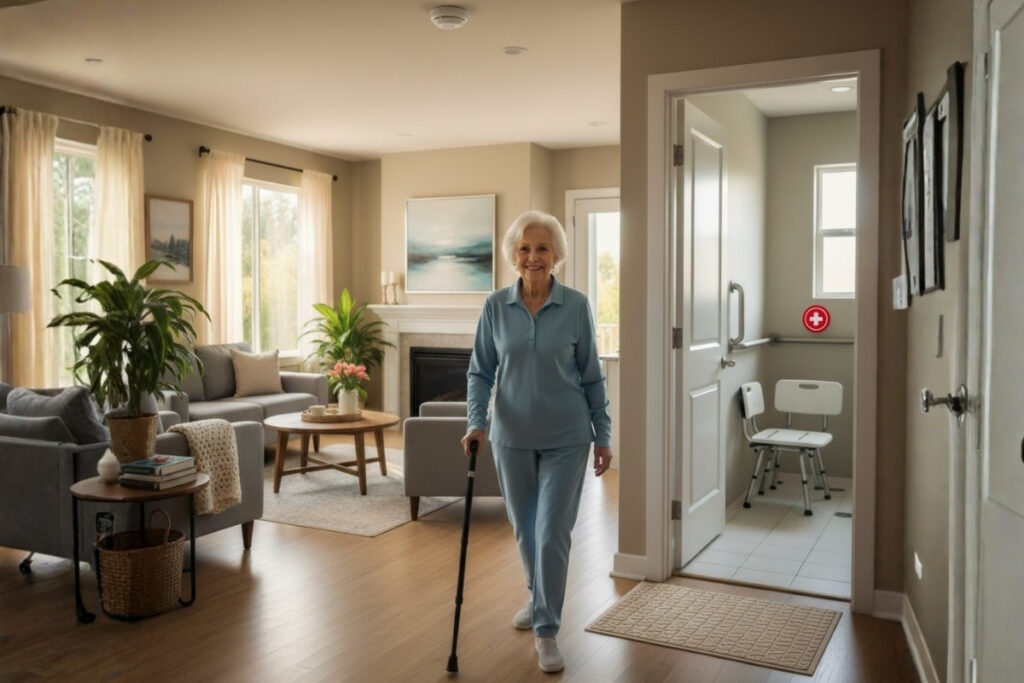
Aging in place isn’t automatic; it’s intentional. It means remaining in your own home as you age by making necessary modifications and arranging support services to stay safe and maintain your quality of life. With nearly 90% of seniors wanting to stay in their homes according to AARP, it’s a goal worth striving for. This guide shows you how to do it right.
Is Aging in Place Right for Your Situation?
Aging in place isn’t for everyone. It works beautifully in some situations and can be dangerous in others. Before you commit, it’s crucial to assess your parent’s situation realistically.
Aging in Place Works Best When:
✅ The home is suitable for modifications (ideally single-level or with a first-floor bedroom and bathroom).
✅ The senior is cognitively intact or has early-stage dementia that is manageable with support.
✅ There is a strong support network of family or friends living nearby.
✅ Financial resources are available to pay for home modifications and care services.
✅ The senior is willing to accept help (a critical factor).
✅ The community offers services like grocery delivery, senior transportation, and home care agencies.
Aging in Place Is Challenging When:
⚠️ The home has major accessibility barriers, like steep stairs to the only full bathroom.
⚠️ The senior is socially isolated with no local support network.
⚠️ They have moderate-to-severe dementia, exhibiting behaviors like wandering.
⚠️ They require 24/7 supervision, which can become more expensive than assisted living.
⚠️ The senior refuses all forms of help, from grab bars to caregivers.
If you are seeing multiple warning signs that your parent can’t live alone safely, you must address those before committing to an aging-in-place plan.
The 5 Pillars of Successful Aging in Place
Making aging in place work requires a comprehensive plan that addresses five key areas. If you neglect one pillar, the entire structure can become unstable.
Pillar 1: Home Safety Modifications
Your parent’s home was likely not designed for the physical realities of being 80. You must adapt the environment to prevent falls.
- Bathroom (Highest Priority): This is where most falls happen. Essential modifications include installing grab bars in the shower and by the toilet, adding a shower chair, and using non-slip mats.
- Stairs and Hallways: Install handrails on both sides of stairways, add non-slip treads, and ensure all hallways and paths are well-lit and clear of clutter.
- General Fall Prevention: Remove all throw rugs (a major trip hazard), improve lighting throughout the house, and secure any loose electrical cords.
For a detailed walkthrough, use our Complete Home Safety Modifications Guide.
Pillar 2: Personal Care and Support Services
Very few seniors can age in place without some form of help. This support can scale over time.
- In-Home Care: This can range from a few hours a week to help with bathing and meals, to 24/7 live-in care. A caregiver provides personal support, companionship, and can help with housekeeping.
- Adult Day Care: An excellent and affordable option. Your parent spends the day at a center with structured activities, meals, and socialization, then returns home in the evening. This provides crucial respite for family caregivers. Learn more in our Guide to Adult Day Care Programs.
- Other Services: Don’t forget services like meal delivery (Meals on Wheels), housekeeping, and senior transportation.
Pillar 3: Safety Technology and Monitoring
Modern technology is a game-changer for aging in place safely.
- Medical Alert Systems: A wearable device with fall detection is non-negotiable for any senior living alone. It provides 24/7 access to emergency help. See our review of the Best Medical Alert Systems.
- Medication Management: Automated pill dispensers with alarms can prevent dangerous medication errors.
- Smart Home Devices: Video doorbells allow seniors to see who is at the door without opening it, and motion-sensor lights illuminate pathways at night to prevent falls.
Pillar 4: Social Connection and Engagement
Isolation is a silent health crisis for seniors. A successful aging in place plan must include opportunities for social interaction.
- Community Involvement: Encourage participation in activities at a local senior center, place of worship, or hobby group.
- Transportation: If they no longer drive, arrange for transportation via family, ride-share programs, or local volunteer driver services so they can stay connected.
- Family & Friends: Schedule regular visits and video calls to combat loneliness.
Pillar 5: Care Coordination and Planning
Someone needs to be the “quarterback” of the care plan, managing all the moving parts. This role often falls to an adult child. Responsibilities include:
- Scheduling medical appointments and in-home care.
- Managing medications and refills.
- Paying bills and handling finances.
- Coordinating with other family members to share the load.
If this becomes too overwhelming, consider hiring a professional Geriatric Care Manager to help.
Costs of Aging in Place (What to Expect)
While often perceived as the “free” option, aging in place has significant costs.
| Item/Service | One-Time Costs | Ongoing Monthly Costs |
|---|---|---|
| Home Modifications | $500 – $15,000+ | – |
| Medical Alert System | $0 – $100 | $25 – $50 |
| Part-Time In-Home Care | – | $800 – $2,000 |
| Full-Time In-Home Care | – | $6,000 – $12,000+ |
| Adult Day Care | – | $800 – $1,200 |
Key Insight: Aging in place is generally more affordable than assisted living when only light support is needed. However, once a senior requires 24/7 supervision, the cost of round-the-clock in-home care often exceeds the cost of a residential memory care community. Explore all your options in our guide on How to Pay for Senior Care.
Creating Your Aging in Place Plan (Step-by-Step)
- Assess Current Safety (Week 1): Use a home safety checklist to identify immediate fall hazards and necessary modifications.
- Arrange Care Services (Weeks 2-4): Determine how many hours of help are needed and start interviewing in-home care agencies or touring adult day programs.
- Set Up Technology (Weeks 2-4): Order and install a medical alert system and any other helpful safety tech.
- Build a Support Network (Weeks 4-8): Create a schedule for family visits and identify community resources for social engagement.
- Create an Emergency Plan: Post a list of emergency contacts, medical information, and medications prominently in the home.
- Review and Adjust Quarterly: A person’s needs change. Re-evaluate the plan every three months to ensure it is still safe and sustainable.
Warning Signs Aging in Place Is No Longer Working
Even the best plan may have an expiration date. Be honest about red flags that indicate home is no longer the safest place.
🚩 Safety Red Flags: Multiple falls in a short period, wandering or getting lost, forgetting to turn off the stove, or a noticeable decline in personal hygiene.
🚩 Caregiver Red Flags: The primary family caregiver is suffering from severe burnout, depression, or their own health is declining. The cost of 24/7 in-home care has become financially unsustainable.
🚩 Quality of Life Red Flags: The senior is severely isolated and lonely despite your best efforts, or is living in constant fear and anxiety at home.
When you see these signs, it is an act of love, not failure, to begin exploring other options like assisted living or memory care.
Frequently Asked Questions
Q: How long can most seniors realistically age in place?
A: It depends entirely on their health, home, and support system. A healthy senior in a single-story home with local family might stay for 10-20 years. A senior with progressive dementia may only be able to stay home safely for 2-5 years before needing specialized memory care.
Q: Is aging in place cheaper than assisted living?
A: It’s cheaper for light care needs (under 20 hours/week). It becomes significantly more expensive than assisted living once 24/7 in-home supervision is required.
Q: What if my parent refuses home modifications or care?
A: If they are cognitively intact, you cannot force them. The best approach is to frame it as a tool to help them stay home longer. Sometimes, a recommendation from a doctor carries more weight. Learn more in our guide on how to have these difficult conversations.
Conclusion
Aging in place is the dream for the vast majority of seniors, and for many, it is an achievable one. But it does not happen by accident. It requires a deliberate, honest, and well-executed plan.
Successful aging in place is built on five pillars: a safe and modified home, a network of personal care services, modern safety technology, opportunities for social connection, and a coordinated family plan. It also requires the honesty to recognize when the plan is no longer working and the courage to adapt.
The goal is not simply keeping your parent in their house at all costs. The goal is to ensure their safety, health, and quality of life for as long as possible, wherever that may be. If you can achieve that at home, it is a wonderful gift. Use this guide to build your plan, arrange support, and make aging in place a safe and successful reality for your family.
Continue Your Research:
- Complete Home Safety Modifications for Seniors → – Your first step in creating a safe environment.
- In-Home Care vs. Assisted Living Comparison → – Understand the costs and services of all care options.
- Best Medical Alert Systems → – A non-negotiable safety tool for any senior living alone.
4 Comments